매일과 영원 시리즈 3번
유계영 시인의 에세이 <꼭대기의 수줍음> 중 [안개 속에서 선명해지는 것]
시처럼 안개 속처럼 모호하다.


댓글(0) 먼댓글(0) 좋아요(15)
좋아요
공유하기 북마크하기찜하기 thankstoThanksTo


Ch.42 The End of the Twentieth Century

The First Persian Gulf War

- In August 1990, Iraqi soldiers obeyed Saddam Hussein‘s orders to march into Kuwait and seize it.
- Some members of the UN wanted to press on further. They wanted to get rid of Saddam Hussein. They argued that Hussein was obviously going to keep on starting wars, no matter what. But many of the countries in the coalition, especially other Arab countries, wanted to end the war, now that Kuwait was free.


Africa, Independent

- Between 1960 and 1975, one by one, African nations freed themselves from the last bits of colonial rule. We‘ve already learned about the Union of South Africa, and about the Congo (Zaire) and Brazzaville becoming free from Belgium and France.
- In 1994, Nelson Mandela was elected the first black president of South Africa. Archbishop Tutu became head of the Truth and Reconciliation Commission, which began to uncover the wrongs done to blacks in the past.


댓글(0) 먼댓글(0) 좋아요(1)
좋아요
공유하기 북마크하기찜하기 thankstoThanksTo


한편 2호 인플루언서 인문 잡지 한편 2
민음사 편집부 엮음 / 민음사 / 2020년 5월
평점 :
장바구니담기


한편 2호 <인플루언서> 중 유현주의 [팔로어에게는 힘이 없다]
읽은 책.

매체의 한계에 대해.

모든 디지털매체와 마찬가지로 소셜미디어도 일차적으로는 프로그램한 자와 단순히 프로그램의 사용자라는 권력관계에 의해 그리고 이차적으로는 소셜미디어 특유의 팔로어 숫자에 의해 결정되는 권력관계에 의해 움직인다. 따라서 매우 뛰어난 확산 도구는 될 수 있을지언정 상호 평등한 소통 도구는 되기 어렵다는 인식은, 언제나 그렇듯 한 박자 늦게 출현하는 중이다. 수용자를 생산자로 고무시키는 문제는 새 매체가 등장할 때마다 논의되는 화두이지만, 우리 시대의 주도 매체인 디지털 기반의 커뮤니케이션 매체가 이를 온전히 실현할 것이라는 기대는 지난 세기의 경험을 무색하게 하는, 늘 되풀이되는 환상으로 보인다.


댓글(0) 먼댓글(0) 좋아요(24)
좋아요
공유하기 북마크하기찜하기 thankstoThanksTo


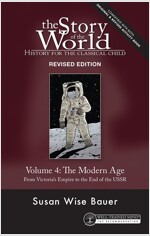
Ch.41 Communism crumbles-but Survives

Democracy in China

- The time between 1966 and Mao‘s death in 1976 became known as the Cultural Revolution. Every part of Chinese culture-newspapers, public gatherings, theaters, operas, and novels-had to praise Mao and Mao‘s policies. Children were encouraged to join the ˝Red Guard,˝ a youth military that swore loyalty to Mao. Every house in China had a picture of Mao in it. (It was dangerous not to!)
- After Mao died in 1976, Deng Xiaoping left his screw-factory and came back to Beijing. He claimed his old position as general secretary of the Communist Party, and-eventually-leader of China. Deng Xiaoping could finally make a few much-needed changes in China.
- Under Deng, China grew more prosperous. People had more to eat, better clothes to wear, and a chance of earning enough money to live well.
- But one thing in China didn‘t change. The Chinese were still not allowed to express their ideas openly-either in print or in speech.
- The rest of the world protested the violence of the June 4th Massacre in Tiananmem Square. But when it was over, the Communist Party still controlled


Communism Crumbles

- By November 11th, it was clear that more than the wall was coming down. The communist rule over East Germany was falling too. In 1990, East and West Germany were reunited into one country.
- Over the next few months, the countries that had been brought into the Soviet Union declared their independence one by one: Ukraine, Lithuania, Latvia, Armenia, and all of the rest. When it was over, Gorbachev resigned. He had no more Soviet Union to govern! Boris Yeltsin would serve as the head of the ancient country of Russia-no longer communist, and no longer part of the USSR.

댓글(0) 먼댓글(0) 좋아요(2)
좋아요
공유하기 북마크하기찜하기 thankstoThanksTo


김유담 소설집 <돌보는 마음> 중 [태풍주의보]


댓글(0) 먼댓글(0) 좋아요(19)
좋아요
공유하기 북마크하기찜하기 thankstoThanksTo